


Geographic segmentation does not get enough love. It’s the perfect type of marketing for both businesses that stay local and those that are looking to expand globally.
Instead of wasting money on marketing campaigns that are too vague, you can use geographic segmentation to target your services and products to the necessary people by location. Location can tell us a lot about a person. But how much? What are some ways you can use geographic segmentation for your company? And are there any cons to consider? Follow along for a complete guide for marketers of geographic segmentation.

What is Geographic Segmentation?
Before we can dive straight into examples and the benefits and cons of using geographic segmentation, we should define it. Geographic segmentation is a marketing strategy that allows marketers and business owners to tailor their products, logos, and marketing messages by location.
Location can mean anything. You can change your marketing tactic to reflect something as vague as an entire continent or as specific as a zip code. To use this type of marketing, you would group people by geographical units. Using these units, you can create paid marketing campaigns in your local area.
The Benefits of Geographic Segmentation
Now, onto the benefits. Why use geographic segmentation? Keep reading to dive further into the benefits.
Easy to Implement
A big benefit of using geographic segmentation is that it’s one of the simpler ways to market. There aren’t many data points you need to find, research, and use, making it easier to implement. This can also make this marketing strategy cost-effective.
High Engagement
Using geographic segmentation as a marketing strategy can lead to high engagement and conversion rates. It’s hard to turn your eyes away when you see something marketed to you by location. How do you react when a social media ad pops up for a service in your city? You’re way more likely to click and interact with it than something from a lot farther away.
More Personalization
Technically, we could combine this benefit with the previous one, but it’s such an important benefit that we couldn’t resist adding it. Implementing geographic segmentation in your marketing boosts engagement by using language and personalization.
This can be as simple as adding your city to an ad or mentioning something specific that only your area would know. For instance, if you live in Florida during hurricane season, a company could target you and personalize its advertisement on a product like raincoats, to include a comment about getting ready for hurricane season.
Cost Efficient
Probably the best benefit for this marketing strategy is how cost-effective it is, which we’ve touched on previously. It’s hard not to! Geographic segmentation doesn’t take a lot of research or data points, helping you save money. Companies won’t have to hire a large number of people to find this data or even complete surveys. Actually, there are plenty of tools that can grab geographical and demographic data for them.
The Cons of Using Geographic Segmentation
While geographic segmentation is a powerful tool, it does have its drawbacks. Here we’ve listed a few cons to consider before using this marketing strategy.
Inconsistent Brand Messages
Using geographic segmentation in your marketing isn’t fully bad, but it does come with a few drawbacks. It isn’t for every marketing campaign. One of these drawbacks is inconsistency. Because you can personalize brand and campaign messages/ads by location, this can make your brand message feel inconsistent, especially if your ads are seen by the same person, targeted to different locations.
Although this might not seem like a big deal, it can make a potential customer/client think the brand isn’t consistent in its messaging. Brand messaging is important. It’s what sets a brand apart from another selling a similar service or product.
Limiting
Another con, one that is more noticeable, is that using geography for advertisements and marketing is super limiting. Sure, while location is a similarity amongst target clients, they can be very different.
The same advertisement is seen by all ages, genders, and religions. Not everyone in the same area thinks the same or will react positively to your brand’s messaging. A 45-year-old mother and an 18-year-old male college student likely don’t have the same beliefs, priorities, or interests.
Geographical Parameters To Use
So, let’s say that even after considering the pros and cons of geographic segmentation, you’re ready to use this marketing strategy. Before implementing them, you’ll need to know which parameters/factors to use. It’s not as simple as picking the city or town and calling it a day.
Location
The simplest and easiest geographic segmentation factor to use is location. This can be anything from a country to an entire state, city, town, or zipcode.
An example of using location for marketing materials is the Rosenbaum Personal Injury Lawyers website. It explicitly states ‘New York’ in large text at the top. This means that if this law firm were to use paid advertisements, one of the main parameters would be location, in this case, the state of New York.
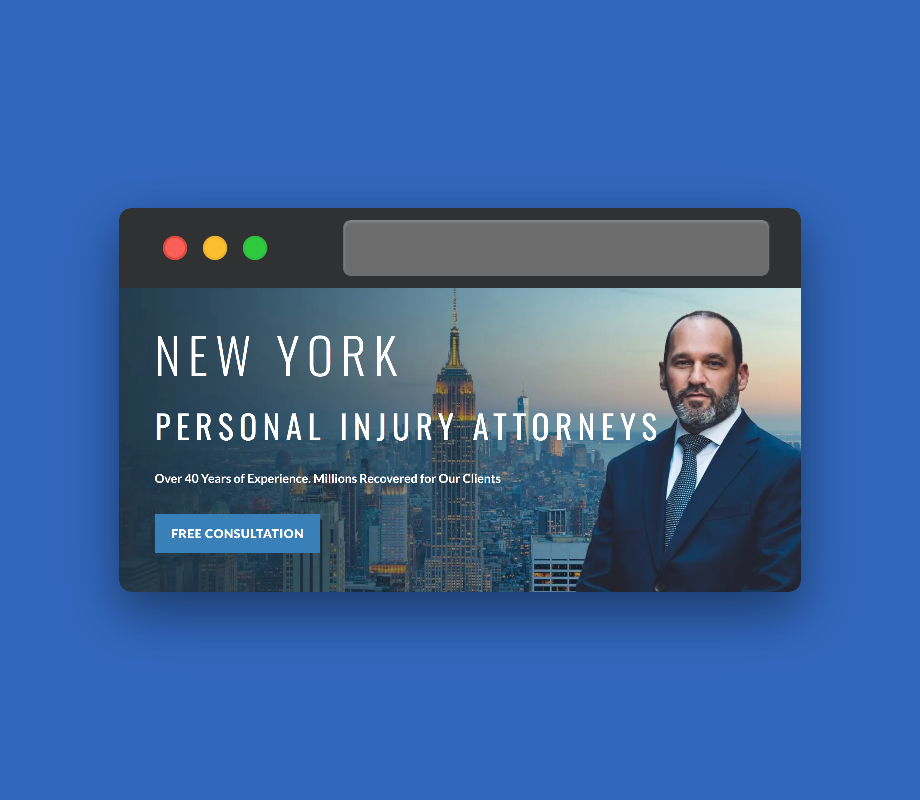
Another law firm that could use location to its advantage when using paid advertisement is Alpert Schreyer Personal Injury Lawyers, which serves the Maryland area.

Climate/Weather
If the location factor is too broad for you, or you are selling a service/product that is related to weather and climate, you can use weather and climate as a location factor. Location is also perfect for products that are seasonal or have a higher demand in certain seasons.
Timezone
Timezone can be grouped with location, but we thought we’d separate it to bring up a specific example. This is perfect if you are advertising and marketing an event, whether in-person or remote, that is in a specific timezone.
Language
Language and location are closely tied together. When you know the location you are targeting, you can change the language used to market an item. For instance, in the U.S., some states use the word soda, while others use the words cola or pop.
Cultural Preferences
Cultural preferences are also closely linked with language. Not each state or even city is the same. Are there large ethnic or religious groups in the location you’re targeting?
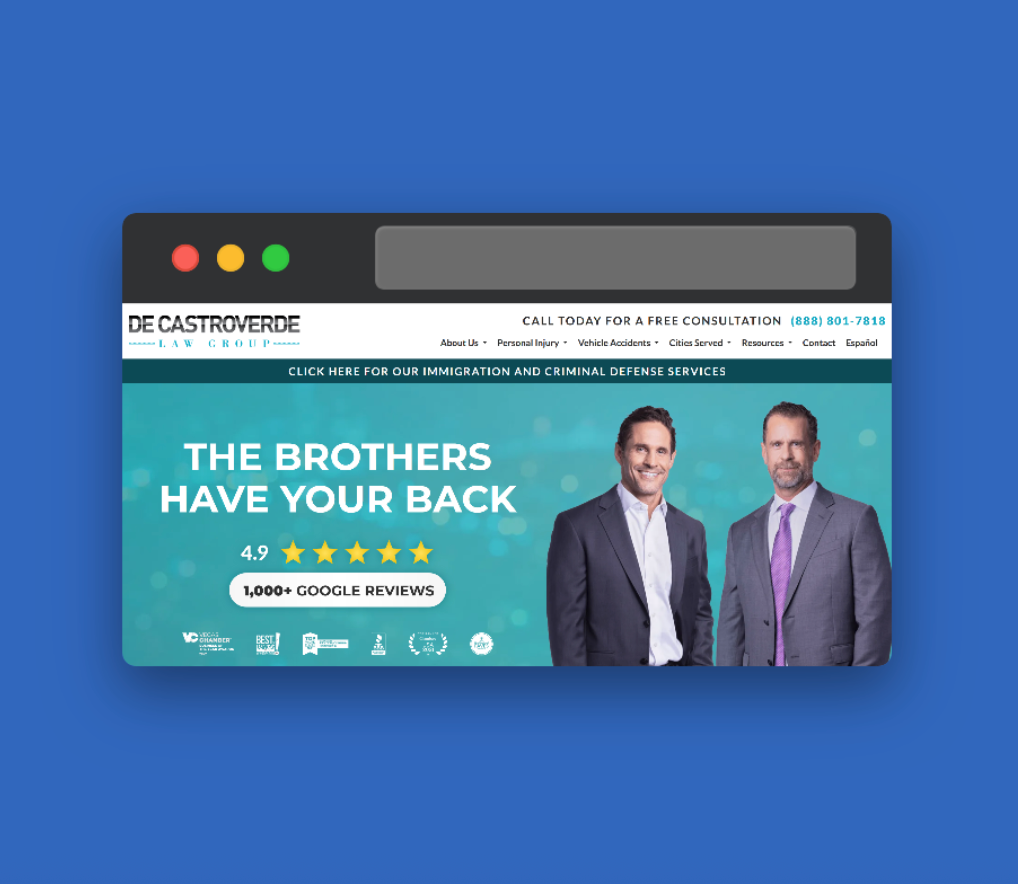
Law firms that focus on immigration can rely on language and cultural preferences. One that could use paid advertisements, on Google or social media platforms like Facebook, targeting cities and areas with high immigration, is the De CastoVerde Law Group.
Population Type
Lastly, there is the population type. This term typically refers to the size of a population. Are you targeting an urban area? What about a rural one? Their interests, language, and beliefs differ.
Geographic Segmentation Examples
What better way to understand geographic segmentation than by using real-world examples? Listed below are a few examples of geographic segmentation through paid advertisement in the Tulsa, Oklahoma area.
Body Masters Tulsa
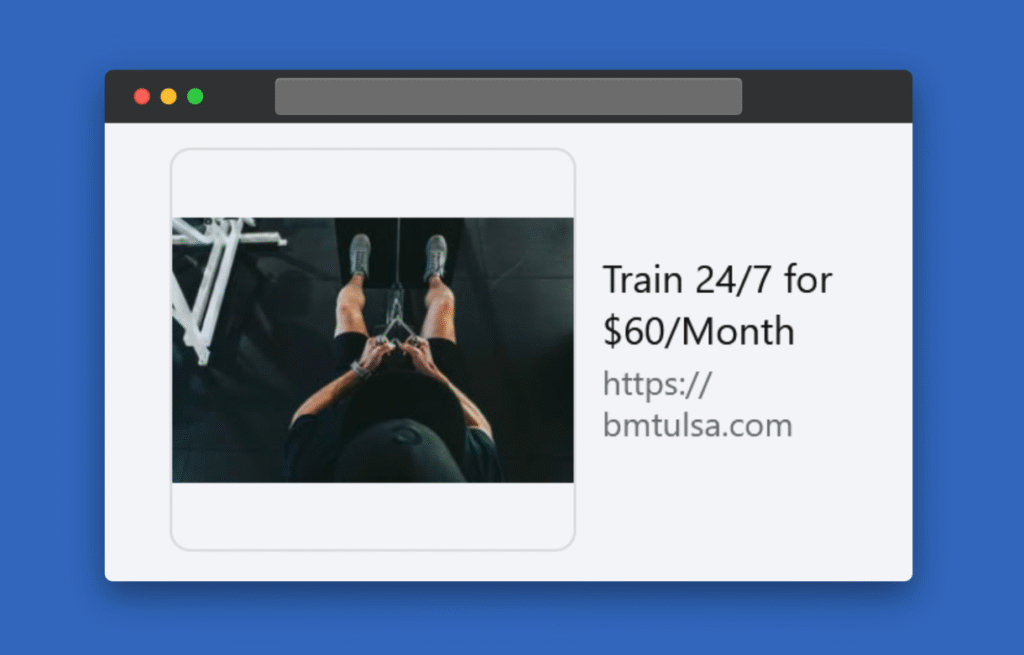
On the right side of Facebook on the desktop, there are sponsored ads. They are small, but bright enough that they are hard to mix.
In this example, an individual located in Tulsa, Oklahoma, noticed a paid ad for a local gym/personal trainer, Body Masters. While not obvious right away, the website link does include the word ‘Tulsa.’
The Oklahoma Bridal Show
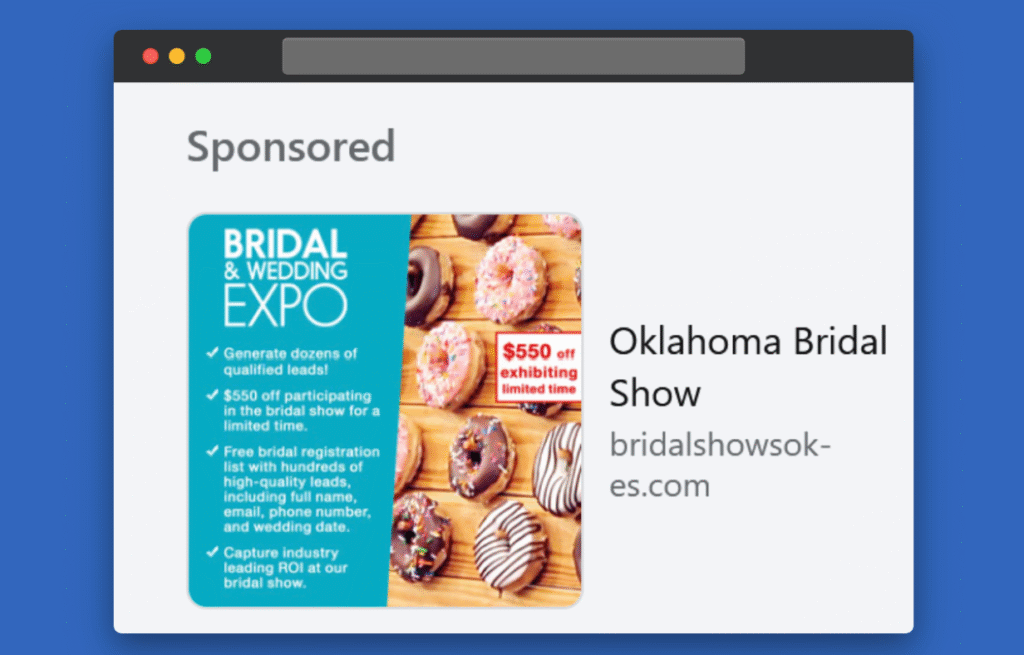
Location is not just the city. Sometimes, it’s as vague as the entire state. Location definitely was a parameter used to push this ad to interested parties.
In the same section as the Body Masters sponsored ad, there was one for the Oklahoma Bridal Show. It wouldn’t have just popped up with age or interests, as it’s specific to the state.
Action Exteriors Tulsa
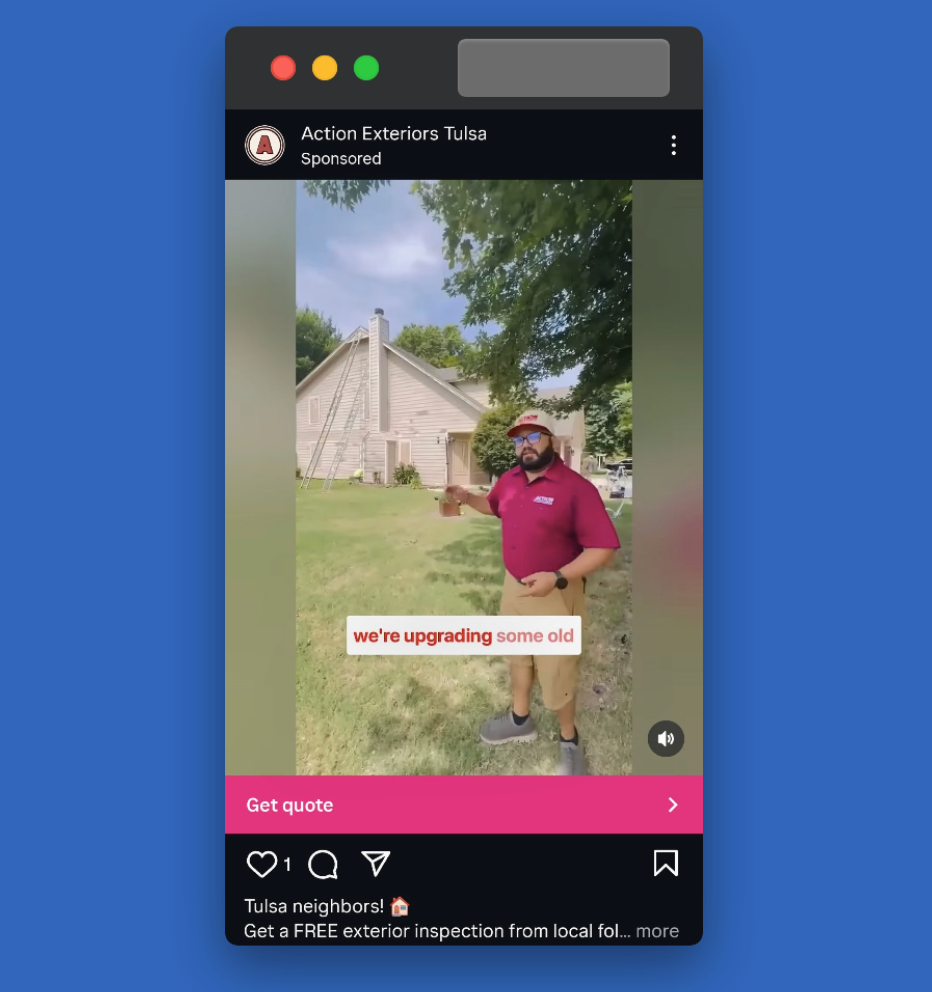
Facebook isn’t the only place to find sponsored/paid ads based on location. Instagram is also full of them. Scroll just for a few seconds, and you’ll find one fast on your home page.
In this case, we spotted a local company, Action Exteriors Tulsa, posting a video ad pushing local viewers to get a quote. The video addresses a Tulsa suburb, Broken Arrow, while the caption also calls out Tulsa, making it clear that location is a parameter.
The Laureate Institute for Brain Research Sign Up
Another local Instagram ad that targets based on the location of the Tulsa Area is the Laureate Institute for Brain Research. In a sponsored post, they call out their need for mental health research paid participants.
While the area isn’t specified within the post, the institute is located in Tulsa. The city’s name is also in the company’s username.

The 2015 Tulsa State Fair Billboard
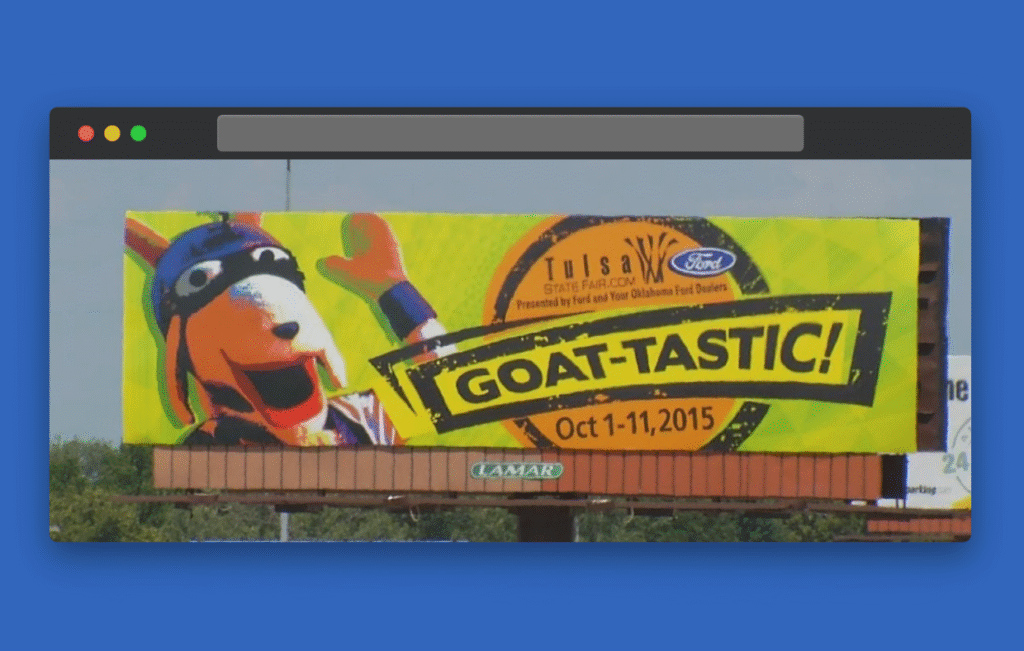
Not all paid advertisements are on social media with influencers and edited videos. A great way to get the word out about your local business, by targeting geography like location, is through the use of billboards.
In this example, in Tulsa, we can see a billboard advertising the dates for the Tulsa State Fair. This is entirely based on location, not on demographics, behaviors, or interests.
Other Marketing Segmentations To Consider
Geographic segmentation doesn’t work for every product or service. If you’re looking for a different marketing strategy, here we have three other segmentations to consider.
Demographic Segmentation
Alright, so you’ve decided not to use just geographical parameters for paid advertisements for your product/service. What else can you use? Another common segmentation is demographical.
Demographic targets group people by demographics like age, gender, income, religion, education, and profession. This makes sense to use when location doesn’t matter as much as something like age or gender.
Psychographic Segmentation
Following demographic segmentation is psychographic segmentation. This is more specific. Two people of the same gender or age might not have the same beliefs, so you target their values and interests.
What are some traits or parameters noted in psychographic segmentation? A few are personality traits, hobbies, political affiliation, life goals, lifestyles, and opinions.
Behavioral Segmentation
Ending this section is behavioral segmentation. This is a way to group people by how they behave with content/your brand.
With behavioral segmentation, there are more data points to cover and track, including spending habits, browsing habits, loyalty to your brand, and product feedback.
Closing Thoughts
All in all, geographic segmentation is a powerful marketing tool that business owners and marketers can use for their brand messaging and marketing campaigns. It can set your advertisements apart by honing in on specific targets using geographical factors like location, language, time zones, climate/weather, cultural preferences, and population type.
If this all seems overwhelming and you’re trying to boost your growth and sales, check out the k6 Agency. We offer paid media services to take away some of your stress and allow your business to grow. Ready to take on this next step? Schedule a free consultation here.