


Digital marketing is often treated as a series of isolated disciplines. Companies allocate massive budgets to their advertising accounts, focusing intensely on audience targeting, bidding models, and creative assets. However, a glaring issue remains prevalent in the modern business landscape. Driving high intent traffic to a website is only half the battle. If that traffic lands on a poorly designed, slow, or structurally flawed website, even the most sophisticated advertising efforts will fail to deliver a positive return on investment.
The success of any paid campaign is fundamentally tied to the organic foundation of the destination site. When technical search engine optimisation and user experience design are treated as afterthoughts, ad budgets are essentially poured into a leaking bucket. To truly maximise conversions and lower acquisition costs, brands must understand that their paid strategy is entirely reliant on the health of their web design and technical architecture. This synergy is exactly why a proficient digital media buying agency will rigorously audit your landing pages before ever launching a campaign. They understand that throwing money at a broken user journey is a recipe for disaster. Instead, a well-rounded strategy ensures the destination is primed for conversion.
The Direct Link Between Technical Foundations and Ad Efficiency
Many marketers assume that search engine optimisation is strictly a long-term play for organic traffic, entirely separate from the immediate gratification of paid search or social ads. In reality, the algorithms governing ad platforms deeply care about the quality of the webpage they are sending users to. Search engines and social media networks want to keep their users happy. If they direct their users to a broken or slow website, the platform’s reputation suffers. Therefore, they reward advertisers who provide a seamless post-click experience. For example, Google Ads Quality Score relies heavily on the destination landing page experience, which accounts for roughly 30 percent of the overall score weighting in recent auction data.
Ad accounts suffering from a low Quality Score due to poor page optimisation typically pay 50 to 100 percent more per click than competitors who maintain higher scores. Improving a website’s technical backend can actually lead to a significant reduction in cost per click, saving advertisers up to 25 percent on bids over time. This compounding effect means that investing in your website effectively pays for itself through cheaper advertising costs.
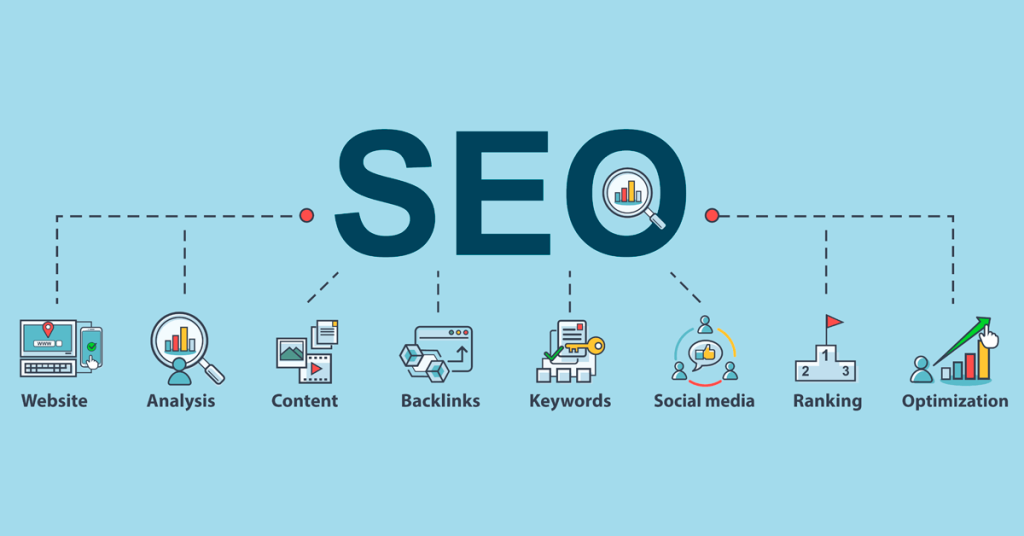
With Interaction to Next Paint officially serving as a primary metric for measuring page responsiveness, search engines are strictly evaluating how quickly a page reacts to user inputs. Establishing a strong foundation with proper SEO techniques ensures that critical elements like site speed and mobile architecture are fully optimised before any money is spent on traffic. Without this technical groundwork, platforms will penalise your ads with higher costs and lower visibility.
Why Loading Speed Dictates Your Traffic Success
The sheer speed of a website is arguably the most critical bridge between an ad click and a finalised sale. When a prospective customer clicks on an engaging advertisement, their patience is incredibly limited. The digital environment is highly competitive, and users simply will not wait for a sluggish page to render text and images.
You can have the most compelling video creative, the most persuasive copywriting, and the most precise demographic targeting available on the market today. However, the moment a user is forced to stare at a blank screen waiting for assets to load, your acquisition cost is immediately wasted. The initial momentum generated by the ad is instantly destroyed by a subpar technical delivery, leaving the user frustrated and highly likely to click back to a competitor. In the fast-paced world of digital commerce, technical competence is just as important as creative brilliance.
The statistical reality of loading times paints a very clear picture of why this matters so deeply for paid campaigns. Industry data from Cloudflare highlights that a two-second delay in page rendering led to a significant loss in revenue per visitor. This illustrates just how sensitive modern consumers are to technical friction.
The penalty for slow loading times is even more severe on mobile devices. Although mobile users account for roughly 75 percent of all eCommerce traffic today, research reveals that 53 percent of mobile site visitors will abandon a page entirely if it takes longer than three seconds to load. That single metric represents an enormous amount of wasted marketing spend for businesses that ignore their mobile infrastructure.
User Experience Design as a Conversion Catalyst
Once a page has loaded quickly and satisfied the technical algorithms, the next hurdle is the visual and functional design. User experience design is not just about making a site look visually appealing. It is fundamentally about removing friction from the customer journey. Data indicates that 88 percent of users will not return to a website following a poor user experience. This means that if a user clicks an ad, finds a confusing layout, struggles to read the text, and leaves, that potential customer is likely lost forever. The initial cost of acquiring that click is gone, and the lifetime value of that customer is forfeited to a competitor whose website is easier to navigate.
Conversely, proper user experience design offers an incredible return on investment. Recent modelling suggests that every dollar invested in user experience design can yield massive returns. Design flaws directly sabotage paid traffic conversions in several distinct ways:
- Complex Checkout Flows: The global online shopping cart abandonment rate remains stubbornly high at over 70 percent. Removing friction and improving checkout interfaces alone can lead to a 35 percent increase in conversion rates for inbound traffic. In fact, billions of dollars in recoverable sales are lost annually specifically due to poor checkout design.
- Poor Mobile Responsiveness: With mobile cart abandonment sitting drastically higher than desktop averages, minor responsive design flaws have an outsized impact on ad returns. For instance, mobile shoppers frequently report that small buttons and clustered links negatively impact their ability to complete a transaction.
- Lack of Clear Navigation: If users cannot immediately locate the product or information promised in the advertisement, they will bounce. Design-led companies experience double the revenue growth of their industry peers specifically because they prioritise intuitive navigation and clear calls to action.
Aligning Your Marketing Disciplines for Better Returns
Treating paid media, web design, and search optimisation as competing priorities is a structural mistake. The modern digital landscape requires a holistic approach where each element supports the other. Your paid advertising channels serve as the highly tuned engine driving people toward your business. However, your website acts as the actual showroom and sales floor. If the doors are difficult to open, the lighting is poor, and the checkout registers are broken, the number of people you invite inside becomes entirely irrelevant.
Before launching the next major advertising campaign or increasing your daily ad spend, take a comprehensive look at your website analytics. High bounce rates and low conversion rates on paid traffic are rarely the fault of the ad creative alone. They are usually symptoms of deeper technical or design related issues that require immediate attention.
By investing in technical search engine optimisation to lower your cost per click, improving site speed to retain impatient visitors, and refining user experience to eliminate purchasing friction, you create an environment where your paid media can actually thrive. When your website is built to perform, every marketing dollar works twice as hard to grow your bottom line.