


In the world of digital marketing, building a scalable system for SEO content is essential for brands seeking sustainable growth, search engine rankings, and a long-term presence in search results. In an increasingly competitive market, companies must have a process that enables them to create high-quality content at scale, while ensuring it is relevant and effective.
Although automation and artificial intelligence (AI) technologies have revolutionised how quickly and easily content can be created, they are missing a key ingredient: human intelligence. Editors offer clarity, creativity and strategy, to ensure content that not only performs on search, but resonates with people.
This article provides a framework for building a scalable system for SEO content production where editing is at the heart of each step: planning, writing, editing, publishing, and beyond.
The Importance of Scalability in SEO Content
A scalable system is efficient in doing more while keeping quality the same (or better). It means producing more without compromising quality.
In the rapidly changing landscape of content and search, companies solely reliant on automation face issues with consistency, creativity, and engagement. That’s where human editors come in.
Human editors polish content, tailor it to brand identity, and make it meaningful – connecting the dots between automation and human connection.
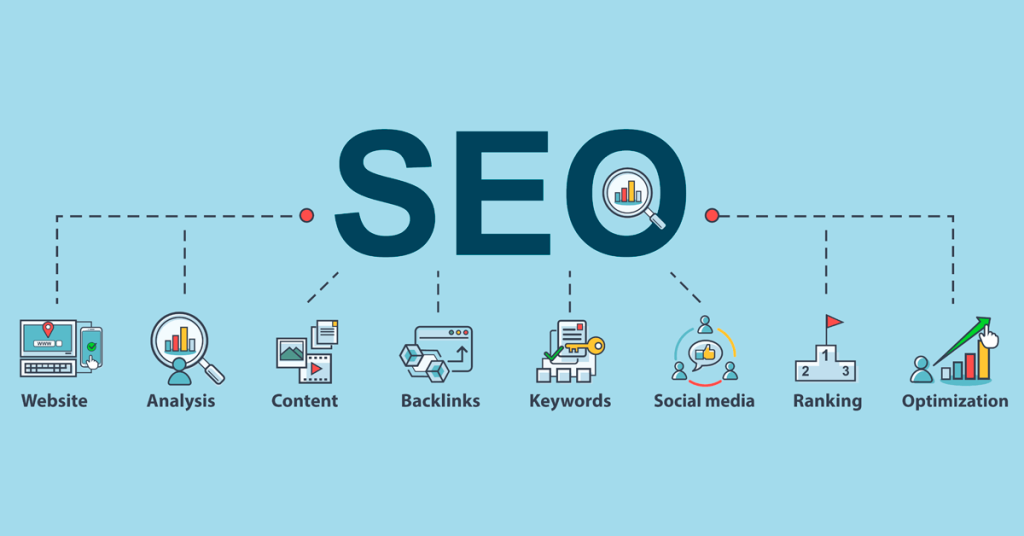
Step 1: Keyword Research and Topic Planning
Keyword research is the foundation of any successful SEO system. Look for keywords with intent that aligns with your target audience, their needs, and your business.
A balanced strategy typically includes:
High-volume keywords for visibility
Low-competition keywords for quicker wins
Conversion-focused keywords for sales
But it’s not all about the data.
Data is interpreted by human editors and strategists. They don’t just consider search volume, but user intent. This allows keywords to evolve into a content strategy that is informative, engaging and useful to the reader.
Step 2: Lay Down the Content Foundation
With identified topics, we then build a content production framework. This includes:
On-page SEO guidelines (including keywords, headings and meta tags)
Internal linking strategies
Formatting guidelines
Brand tone and writing style
A clear set of guidelines means consistency across content, particularly important where there are multiple authors.
These guidelines should be fine-tuned by human editors. They can respond to algorithm changes, emerging trends (such as voice search or featured snippets), and shifting user behaviours – ensuring your strategy is agile and adaptable.
Step 3: Increase Content Production with Strategic Outsourcing
To produce more content, most companies hire freelancers or agencies. This is one of the quickest ways to scale, but it can also be challenging: how do you provide quality?
Here’s where the editor comes in.
They work as quality control by:
- Editing for accuracy and clarity
- Ensuring compliance with SEO standards
- Ensuring brand voice and consistency
- Improving structure and readability
Without human intervention, at scale content can be inconsistent or poor quality.
Step 4: Optimise Content for SEO
After the draft is complete, optimization starts.
Although SEO software can help with keyword analysis and placement, human editors provide a more in-depth approach. They enhance:
- Content flow and readability
- Semantic relevance and topic depth
- Natural keyword integration
- Logical structure and formatting
Editors also optimise key aspects like:
- Meta descriptions
- Image alt text
- Internal and external linking
These tweaks help a page rank better and perform well.
Step 5: Publish, Measure and Optimise
Once you publish content, the work doesn’t stop.
Publish, track, and improve is part of a scalable system. Editors and marketers must monitor:
- Bounce rate
- Time on page
- Keyword rankings
- Conversion rates
This information can be used to refresh, extend or re-optimise content. This ensures your content is fresh, relevant and in line with search engine algorithms.
Step 6: Assemble a Great Team
It’s time to build a team.
A scalable setup requires:
Experienced writers for content creation
Skilled editors for editing and modifying for SEO
Editors should be particularly proficient in writing and SEO. They should help writers, spot opportunities and ensure the work is performing as required.
Streamlined communication and processes between writers and editors are crucial.
Step 7: Leverage Automation
Automation can be a friend, but only with the right use.
CMS, SEO, and analytics tools can automate the following:
- Keyword tracking
- Content scheduling
- Performance reporting
This frees up time for editors to spend on more complex activities such as strategy, quality assurance and optimization.
But automation must compliment human effort.
Final Thoughts
The key to a scalable SEO content system is striking the balance between automation and human creativity.
Technology can help you produce content faster, but editing and human intervention is what makes it relevant, accurate and effective. Humans provide the finesse, strategy and quality assurance that transform content from good to great.
By involving human reviewers at every step of the process, from planning to after publication, you build a scalable system that not only drives efficient SEO content production but also produces successful SEO content that adds value for your audience over the long term