


Manufacturers worldwide are under increasing pressure to produce stronger, lighter, and more precise components while cutting costs and meeting fast-changing customer demands. Yet many traditional welding methods struggle to keep up with these expectations, especially as products become more compact and materials more advanced. This gap has led to a rapid rise in modern welding technologies such as laser welding, which provides the speed, accuracy, and flexibility today’s production lines require.
As smart factories grow and automation continues to expand, understanding how laser welding works and why it’s becoming an industry favorite is essential. In this article, you’ll learn the fundamentals of laser welding, explore the benefits for various industries, and discover how integrating laser welding equipment can transform your manufacturing workflow.
What Exactly Is Laser Welding?
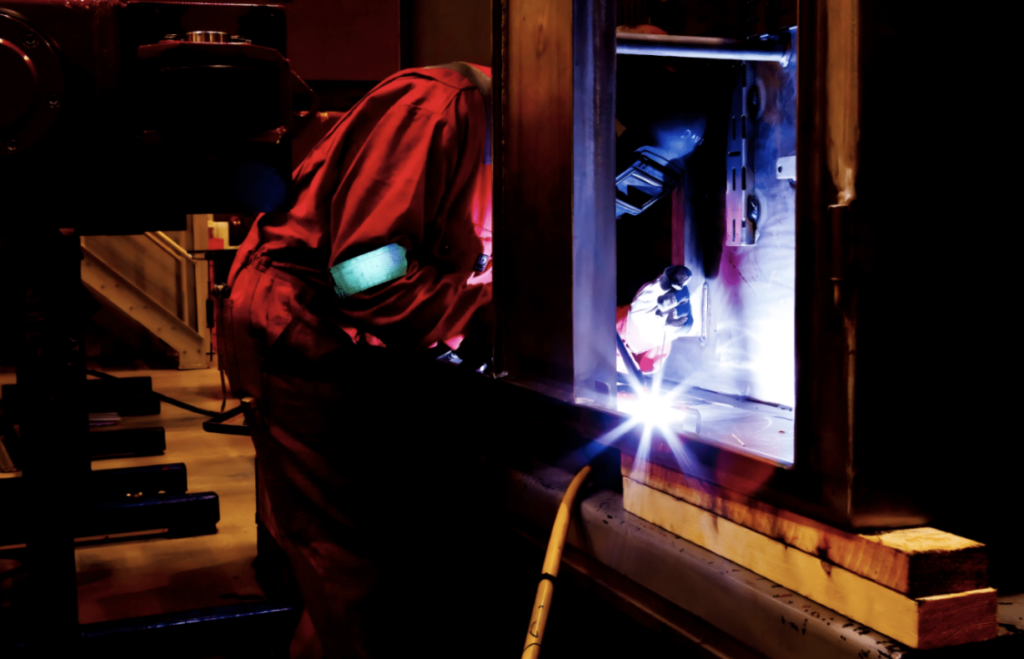
Laser welding is a joining process that uses a high-powered, focused beam of light to melt and fuse materials. Unlike traditional welding, which often uses heat generated by electricity or friction, laser welding relies on concentrated optical energy, allowing for cleaner, faster, and more precise welds.
How It Works
- A laser beam targets a small area of material.
- The intensity of the beam rapidly heats and melts the metal.
- The molten material cools and solidifies, forming a strong weld joint.
Because the energy is so tightly focused, the surrounding material isn’t overheated, reducing the risk of warping or distortion. This is one of the key reasons more manufacturers are upgrading their workflows with advanced laser welding equipment to improve quality and consistency.
Why Manufacturers Are Turning to Laser Welding
As industries require higher precision and lower error margins, laser welding continues to stand out. Here are the top reasons behind its growing popularity:
1. Precision and Control for Complex Components
Laser welds are narrow, deep, and highly consistent. This is ideal for industries like automotive, aerospace, and electronics, where even small defects can impact product performance. Because the beam can be precisely controlled, it’s possible to weld intricate shapes, thin materials, or hard-to-reach areas without compromising quality.
2. Faster Production Speeds
The concentrated heat source allows for significantly faster welding speeds. According to research published in ScienceDirect, laser welding can be up to 10 times faster than traditional methods in certain applications.
This leads to:
- Shorter production cycles
- Higher throughput
- Reduced operating costs
For companies scaling manufacturing, speed remains one of the biggest advantages.
3. Cleaner, High-Strength Welds
Laser welding produces minimal spatter, smoke, and fumes. Because the weld pool is so controlled, the final joint tends to be stronger and smoother, with less need for grinding or finishing work.
4. Compatibility With Automation and Robotics
Modern production lines rely heavily on automated systems. Laser welding integrates seamlessly with:
- Robotic arms
- CNC machines
- Real-time quality monitoring systems
This compatibility enhances accuracy and repeatability, helping companies maintain consistent output across thousands of parts.
5. Lower Distortion and Heat Input
Traditional welding methods often lead to warping, especially when working with thin metals. Laser welding’s concentrated beam minimizes heat input, preserving material integrity.
Types of Laser Welding Methods You Should Know
Laser welding isn’t a single process; it comes in several forms depending on your application.
Conduction Welding
This method heats the surface of the material, creating a shallow weld. It’s ideal for thin sheets and applications that require smooth, aesthetic finishes.
Keyhole Welding
A more intense beam creates a “keyhole” in the material, allowing for deep penetration. This is perfect for thicker components requiring high-strength joints.
Continuous vs. Pulsed Welding
- Continuous lasers provide steady, uninterrupted energy for long welds.
- Pulsed lasers deliver intermittent bursts of energy, best for delicate or heat-sensitive materials.
Which Industries Benefit Most From Laser Welding?
Laser welding is versatile enough to support a wide range of sectors. Here’s a breakdown of industries that see the biggest advantages:
Automotive Manufacturing
From battery casings in electric vehicles to ultra-light frames, automotive production relies heavily on precision and speed. Laser welding helps produce clean, durable joints to meet safety and performance standards.
Aerospace and Defense
Reliability is critical when working with aircraft components. Laser welding offers the accuracy needed for specialized alloys used in engines, turbines, and structural assemblies.
Medical Devices
Laser-welded joints are clean, sterile, and highly precise, ideal for surgical tools, implants, and micro-components.
Consumer Electronics
As devices get smaller, manufacturers require welding methods that can handle miniature parts without compromising aesthetics or functionality.
Laser Welding vs. Traditional Welding: A Quick Comparison
| Feature | Laser Welding | Traditional Welding |
| Heat Input | Very low | Higher, may cause distortion |
| Speed | Fast | Moderate to slow |
| Weld Quality | Smooth, clean, precise | Can vary depending on skill |
| Suitability for Automation | Excellent | Limited |
| Material Versatility | High | Moderate |
This comparison highlights why manufacturers moving toward high-output or precision-based production often invest in laser welding equipment as part of modernization initiatives.
Tips for Adopting Laser Welding in Your Workflow
If you’re considering updating your manufacturing process, here are a few steps to help you get started:
1. Assess Your Materials
Different materials respond differently to lasers. Metals like aluminum, stainless steel, and titanium work extremely well.
2. Evaluate Your Application Needs
Consider weld depth, joint complexity, and speed requirements.
3. Plan for Integration With Automation
Laser welding performs best when paired with robots or CNC systems. Ensure your facility can support this.
4. Train Your Team
Even with automation, operators must understand laser settings, safety, and maintenance.
5. Prioritize Safety Measures
Lasers require proper shielding, eyewear, and ventilation. Build safety protocols before implementation.
As you explore ways to elevate your manufacturing capabilities, having access to reliable, high-quality welding tools can make a meaningful difference. Brands like Denaliweld offer precision-built systems that support consistent performance, durability, and advanced automation needs.
Conclusion
Laser welding is transforming how manufacturers approach precision, speed, and reliability. With its ability to produce cleaner, stronger, and more consistent welds while also integrating seamlessly with automation, it’s no surprise that adoption is growing across industries. Whether you’re producing complex electronics, heavy-duty automotive parts, or medical devices that require micro-level accuracy, laser welding offers a flexible, future-ready solution.
By understanding the process, evaluating your workflow, and selecting the right equipment, you can streamline production and maintain a competitive edge. As manufacturing continues moving toward smarter, more efficient systems, now is the ideal time to explore how laser welding can elevate your operations and deliver better results.