


The Rise of Distributed Teams and Emerging Security Challenges
In recent years, the business landscape has witnessed a significant shift toward distributed team models. Fueled by advances in cloud computing, collaboration platforms, and the global talent market, organizations increasingly rely on remote and hybrid workforces to remain competitive and agile. While distributed teams offer undeniable benefits such as flexibility, cost savings, and access to diverse expertise, they also introduce a complex array of security challenges that cannot be addressed by traditional perimeter-based defenses alone.
A striking 61% of enterprises reported experiencing a major security incident linked to remote work environments within the past two years, underscoring the vulnerabilities that accompany this shift. These incidents range from data breaches and ransomware attacks to insider threats and compromised credentials. As a result, organizations must rethink their security posture to protect sensitive data, intellectual property, and customer trust in a distributed ecosystem.
The distributed nature of modern teams means that sensitive corporate resources are accessed from various locations, devices, and networks—many of which fall outside the organization’s direct control. This expanded attack surface demands a proactive and holistic approach to cybersecurity, particularly when relying on managed IT services to safeguard digital assets.
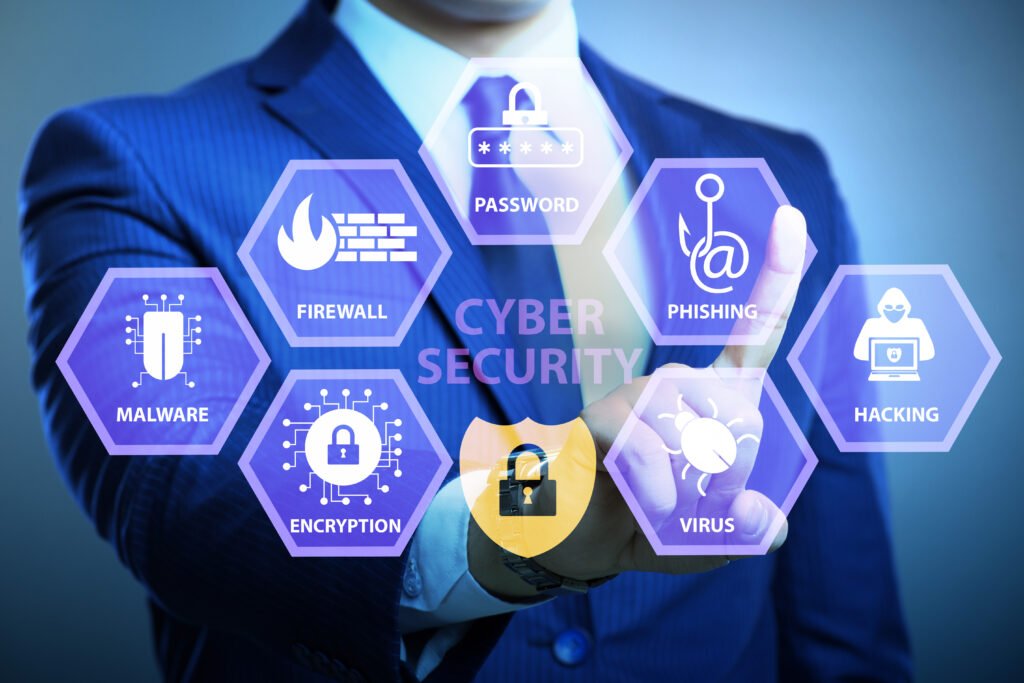
Identifying Hidden Vulnerabilities in Distributed Environments
Hidden vulnerabilities in distributed team environments often arise from a combination of technical gaps and human factors. For instance, unsecured or poorly configured home Wi-Fi networks can serve as entry points for attackers. Similarly, inconsistent endpoint protection—where some devices lack up-to-date security patches or antivirus software—creates exploitable weak spots. Additionally, employees working remotely may inadvertently expose systems to risk through unsafe behaviors such as clicking on phishing links or using unauthorized applications.
A comprehensive security assessment must therefore look beyond visible infrastructure components. It involves scrutinizing third-party applications integrated into daily workflows, evaluating cloud service configurations, and enforcing strict endpoint security protocols. Notably, 43% of data breaches have been traced back to third-party vendors or partners, highlighting the critical need to secure the entire supply chain.
Managed IT service providers play a crucial role in uncovering these hidden threats by conducting detailed vulnerability scans, penetration testing, and risk assessments tailored to distributed work environments. At PrimeWave IT possesses the expertise to identify subtle weaknesses and implement corrective measures before malicious actors can exploit them. This proactive stance is vital for maintaining a resilient security posture amid evolving cyber threats.
The Role of Managed IT Services in Fortifying Distributed Teams
Managed IT services have become indispensable allies for organizations seeking to strengthen the security of their distributed teams. These providers offer continuous monitoring capabilities that detect suspicious activities in real-time, enabling swift incident response to minimize damage. Their access to global threat intelligence feeds ensures that emerging attack vectors are promptly identified and countered.
One of the most effective strategies employed by managed service providers is the implementation of zero-trust security architectures. Unlike traditional models that implicitly trust users within the network perimeter, zero-trust requires continuous verification of identity and device integrity for every access request, regardless of location. This approach significantly reduces the risk of lateral movement by attackers who manage to breach initial defenses.
Additionally, managed services facilitate secure remote access through the deployment and management of virtual private networks (VPNs) and robust identity and access management (IAM) solutions. These technologies enforce strict authentication protocols and granular permissions, ensuring that users can only access resources relevant to their roles.
Regular patch management is another critical service area. Cybercriminals often exploit known vulnerabilities in outdated software to gain unauthorized access. Managed IT providers ensure that endpoint devices, servers, and applications are consistently updated with the latest security patches, significantly reducing exposure to these threats.
Organizations that rely on Professional Computer Associates gain not only technical protection but also benefit from comprehensive employee cybersecurity training. Human error remains a dominant factor in security breaches, contributing to nearly 90% of incidents according to recent studies. By fostering a culture of security awareness, managed IT services empower employees to recognize and avoid common attack methods such as phishing and social engineering.
Best Practices to Strengthen Security in Distributed Teams
To build a robust security framework for distributed teams, organizations should adopt a multifaceted approach that combines technology, policies, and education. Key best practices include:
1. Implement Zero-Trust Security Models: Adopting zero-trust principles ensures that every access attempt is authenticated, authorized, and continuously validated. This minimizes the risk of unauthorized lateral movement within networks and limits potential damage from compromised accounts.
2. Conduct Regular Security Audits and Penetration Testing: Ongoing assessments help identify new vulnerabilities and validate the effectiveness of existing controls. Penetration testing simulates real-world attacks, uncovering weaknesses before attackers do.
3. Deploy Comprehensive Endpoint Protection: Advanced endpoint detection and response (EDR) solutions provide real-time monitoring, automated threat detection, and rapid remediation capabilities. These tools are essential for defending the diverse devices used by distributed teams.
4. Prioritize Employee Training and Awareness: Tailored cybersecurity training programs that address remote work challenges empower employees to act as the first line of defense. Educated users are less likely to fall victim to phishing scams or inadvertently expose sensitive information.
5. Ensure Data Encryption and Regular Backups: Encrypting data both at rest and in transit protects information from interception and unauthorized access. Maintaining frequent backups safeguards business continuity in the event of ransomware attacks or accidental data loss.
6. Strengthen Third-Party Risk Management: Given the high incidence of breaches involving vendors, organizations should establish strict security requirements for partners and continuously monitor their compliance.
By integrating these practices into a cohesive security strategy, businesses can significantly reduce their attack surface and enhance the resilience of their distributed teams.
Leveraging Technology and Expertise for Resilient Remote Workforces
Securing distributed teams extends beyond technology deployment; it requires the right combination of skilled professionals, strategic processes, and adaptive policies. Managed IT service providers bring this expertise to the table, working closely with internal IT departments to design and implement security frameworks tailored to organizational needs.
Emerging technologies such as artificial intelligence (AI) and machine learning (ML) have become invaluable in threat detection. These tools analyze vast amounts of network data to identify anomalies indicative of cyber attacks, enabling preemptive action. When coupled with human oversight, AI-driven security systems offer a powerful defense mechanism that adapts to evolving threat landscapes.
Moreover, the partnership between internal teams and managed service providers facilitates faster incident response and more effective remediation. This collaboration ensures that organizations remain compliant with regulatory requirements and can swiftly adjust to new vulnerabilities or attack techniques.
The importance of this alliance is further emphasized by the growing sophistication of cyber threats targeting distributed workforces. Attackers increasingly exploit social engineering, ransomware, and supply chain vulnerabilities to infiltrate organizations. A coordinated security approach that combines technological innovation with expert guidance is essential to counter these risks.
Conclusion
The transition to distributed teams represents a fundamental change in how organizations operate—and how they must approach security. Hidden vulnerabilities inherent in remote work environments demand comprehensive, adaptive strategies that go beyond traditional defenses. By partnering with experienced managed IT service providers, organizations can uncover and address these risks effectively, safeguarding their digital assets and ensuring business continuity.
Investing in advanced security frameworks, employee education, and continuous monitoring not only mitigates cyber threats but also builds confidence among employees, clients, and stakeholders. In an era where data breaches can have devastating consequences, fostering trust through robust security is a critical differentiator.
As cyber threats continue to evolve in complexity and frequency, proactive vigilance and expert collaboration will remain the cornerstone of resilient distributed work environments. Organizations that embrace these principles are better positioned to thrive in today’s interconnected, digital-first world.