


Marketing campaigns feel like a thousand moving pieces these days – you’re managing email sequences, social posts, influencer partnerships, and paid ads while trying to keep everything coordinated and on-brand. The tools you pick can make or break how smoothly this all flows together, and how much sleep you get at night.
Most marketers end up drowning in dashboards, switching between platforms that don’t talk to each other. But what if your tools actually worked together instead of creating more chaos?
You just need to use marketing platforms to handle the repetitive stuff while giving you room to focus on strategy and creativity. Connect the dots between channels, spot problems before they explode, and move faster without making costly mistakes.
These 18 tools cut through the noise and deliver real results for complex campaigns. They’re built for teams who need to do more with less time, fewer resources, and zero room for error.

Email Campaigns
Email still works in 2025, really well, actually, but only when it’s handled with precision, speed, and actual human thinking baked into automation. Messy segmentation? Forgotten follow-ups? Vague subject lines? These tools help you dodge all that. If you’re running multiple sequences across audiences and products, or syncing with sales teams, you’ll need more than a scheduler. You need systems that do the hard parts – without making a mess. Here’s what can make that happen.
1. Instantly.ai
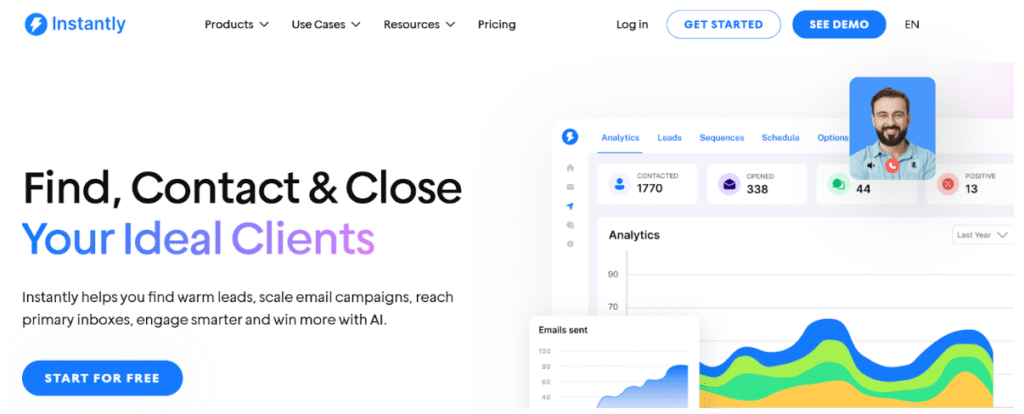
You’re in week two of a six-week campaign targeting mid-size SaaS teams with a new workflow plugin. Cold emails are going out. Responses are trickling in, but they’re scattered. Some positive, some confusing, some just… weird. Instantly.ai steps in.
It routes replies, pulls keywords from responses, and auto-marks the real leads, actual intent signals, not vague guesses. And instead of you or your assistant manually sorting inboxes, this tool does it while you sleep. You hit pause on losers, follow up on fence-sitters, and keep the good ones warm. No drama. Just focused conversations with people who care.
2. Mailmodo
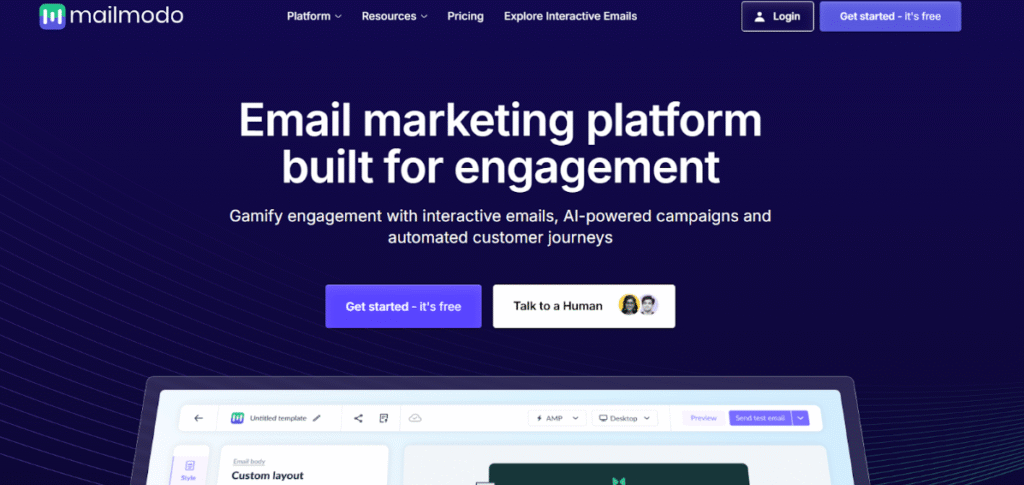
You need to launch an onboarding sequence inside your newsletter without sending readers to a landing page. Less friction. More results. Mailmodo lets you build AMP-powered emails where readers can book demos, answer surveys, or select a pricing plan, inside the email. No clicks. Just actions.
One of their clients, a B2B cybersecurity startup, doubled their demo booking rate in 11 days using this exact workflow. The team? Small. Time? Tight. But the conversions came anyway, because readers didn’t leave the inbox. It’s email marketing that acts like a website, without asking devs to code anything.
3. Mailerio
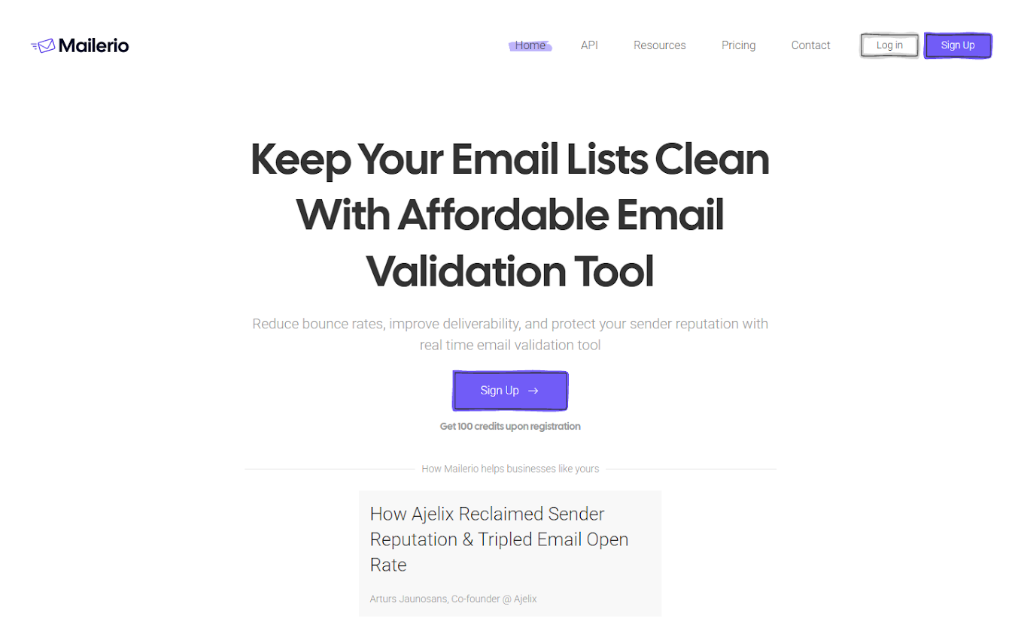
Cold outreach dies fast if your list is messy. Before you even think about automation, you need to make sure your emails actually land. Nothing tanks a campaign harder than high bounce rates, spam folder detours, or a sender reputation that gets torched before you’re two weeks in. Mailerio fixes that.
It runs your list through real-time validation, flagging junk addresses, typos, and disposable emails before they ever clog your pipeline. The best part? Their API plugs straight into your forms, CRMs, or whatever workflow you already use. That means bad data never makes it into your system in the first place.
Instead of wasting time and burning domains, you’re sending to clean lists that reach real people. Inbox placement goes up, bounce backs go down, and your campaigns actually perform the way you planned. Think of it as an insurance policy for every email you send.
Social Media Campaigns
Social posts move fast, blink and your audience’s attention is somewhere else. What worked last week might flop today, and you’re juggling different platforms, each with its own quirks. So how do you stay consistent, timely, and relevant without going absolutely nuts? These tools don’t just keep things moving. They help you keep it all together. So you can plan smarter, post with confidence, and actually keep up with the pace.
4. Buffer
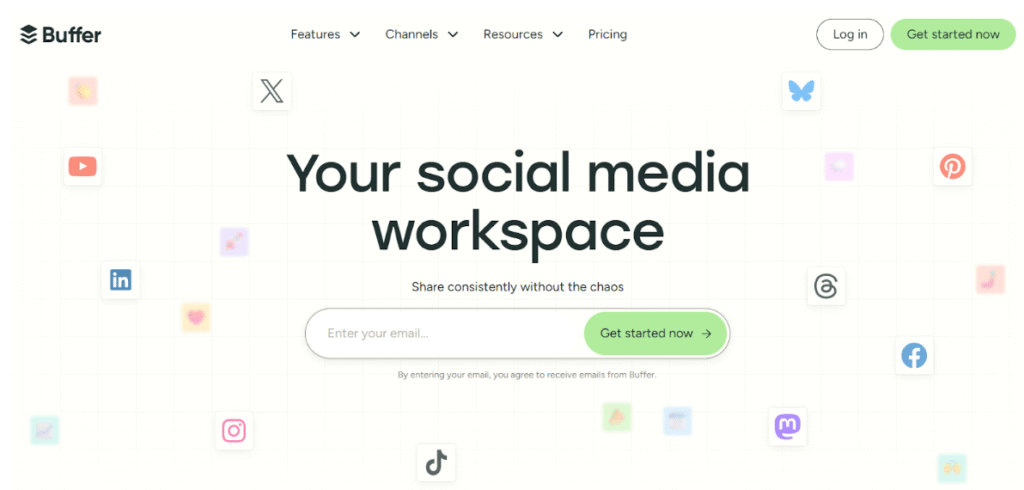
You’re running three campaigns. On four platforms. Across two time zones. And your intern still scheduled a TikTok post with a Facebook caption. Buffer helps you stop that mess in its tracks. Its calendar view shows everything at once, Instagram, X, LinkedIn, Facebook, and you can drag, drop, and reword each post right there.
Say you’re launching a product and want posts hitting at exactly noon in LA and London. Done. It even gives you reminders if something looks off. And when the CEO asks, “What’s going live next Thursday?”, you can actually answer without digging through ten tabs and a Google Sheet.
5. Sprout Social
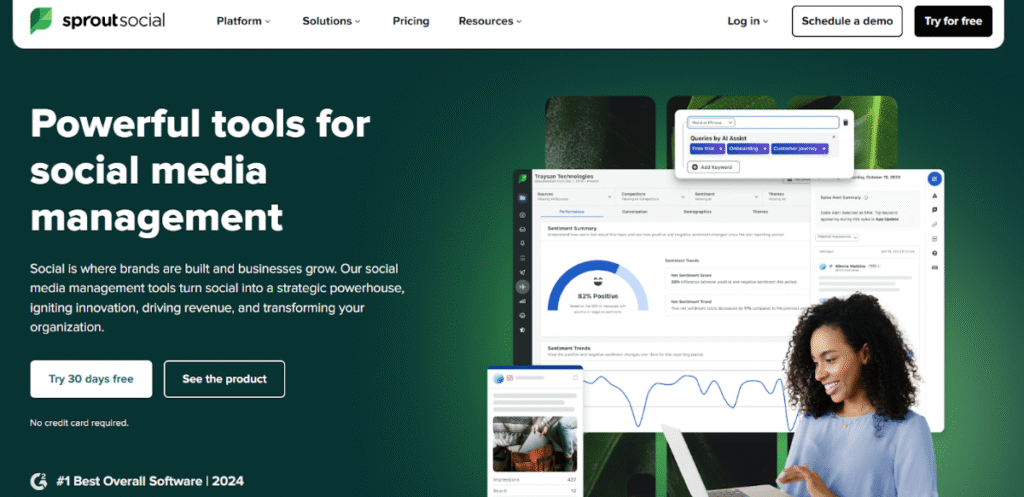
Social teams don’t work in silos anymore. You’ve got customer service replying to DMs, marketing setting up launches, sales peeking at leads, and it all happens on your socials. Sprout Social helps tie it all together without losing your mind. During a new feature rollout, for example, your support team can flag a high-priority comment straight to your inbox, and you can reply before it explodes.
Analytics come baked in, too, so you can spot when something hits and shift your focus that day. “If you’re not adapting in real-time, you’re already behind,” says Rachel Greenfield, head of digital at a SaaS startup. She’s right.
6. Later
You know the pain: cropping that photo three different ways, rewriting that caption again so it fits the platform, guessing when people might actually see it. Later fixes that. You can schedule visually, see how your Instagram grid will look before anything goes out. And yes, it reminds you when the best time to post is, based on your own audience’s behavior.
Say you’re promoting an event with a countdown, teaser clips, and sponsor shoutouts. Later lets you map the whole thing out visually, schedule it in chunks, and make sure it looks as good as it sounds. No guessing. Just clear steps.
Influencer Marketing Campaigns
You’re coordinating with creators, reviewing drafts, tracking metrics, following up, and repeating the whole thing across dozens of partnerships. It’s messy. It takes way longer than it should. But the right tools can actually make space, space to focus on the conversations and storytelling that matter. These tools don’t remove you from the process. They help you keep it human, while doing way more in way less time. Here’s how they actually work.
7. Aspire
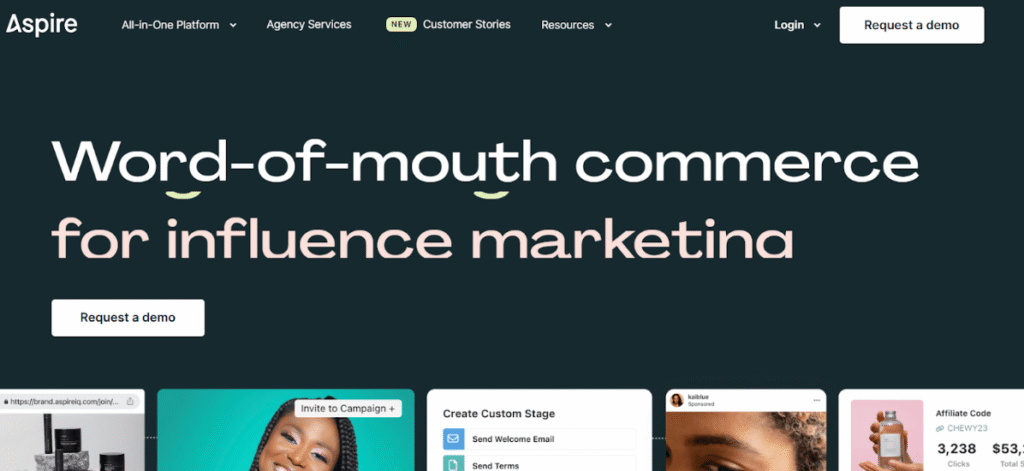
Aspire helps you skip the email-tag maze and see the whole influencer process from recruitment to reporting, all in one view. Say you’re running a skincare brand’s seasonal push and want to onboard 50 mid-tier creators in under a week. Normally, that would be a chaotic mix of spreadsheets, links, email threads, and DMs.
But with Aspire, you can set up a branded portal where creators apply directly, get auto-tagged by niche or follower count, and drop in their rates. You can also comment on content drafts directly inside the platform. Approvals take minutes. The whole campaign stays intact, organized and fast.
8. Modash
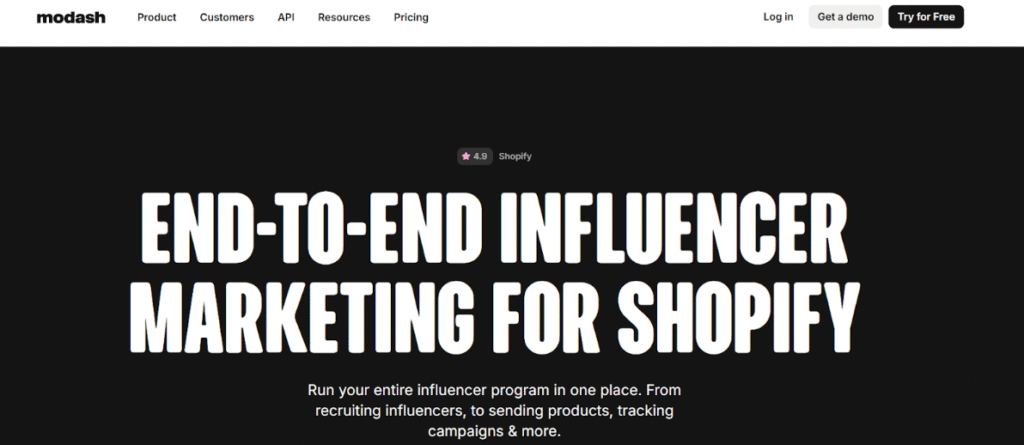
Let’s say your boss needs a list of 200 TikTok creators in the wellness niche who actually get comments from real people, not bots. And she needs it today. Modash gives you a searchable filter of every public creator on Earth. You type in “yoga” and “Engagement rate over 3%” and it’ll hand you a real list with verified data, not fluff.
You can also check each influencer’s audience breakdown. Countries, cities, age brackets, it’s all there. “You can’t afford to guess who you’re talking to,” says Jasmine Enberg, principal analyst at Insider Intelligence. Modash makes sure you don’t.
9. Upfluence
Upfluence comes in when you’re stuck in the middle. You’ve already signed a few influencers, products are shipped, posts are going live, now what? You need to track performance in real time. Upfluence pulls all the data as it happens: clicks, conversions, coupon code use.
But more than that, it connects with your Shopify or WooCommerce store, so you can actually see which creators are driving revenue. Say you sent free samples to 20 creators, but only 6 are bringing sales. You’ll know by lunch. That helps you double down on what’s working instead of guessing and hoping.
PPC Campaigns
Paid ads come with pressure. Spend gets high, fast. And with so many variables, bids, keywords, targeting, timing, running a PPC campaign can feel like you’re juggling knives on a moving treadmill. Tools exist that pull the chaos back into order. The right ones don’t just track metrics. They steer strategy. They spot waste, fix leaks, and keep things running when your brain can’t track one more conversion rate or CPC trend. Let’s talk about three tools that take that load off your shoulders, while still keeping you in control.
10. Optmyzr
Optmyzr acts like a PPC analyst who never gets tired. Say you’re running 300 Google Ads campaigns across 12 clients, all with different goals. One wants calls. One wants leads. Another wants store visits. Instead of jumping into each account and scanning for broken links, budget drains, or dropped quality scores, you set up Optmyzr’s rule-based optimizations.
It flags underperforming keywords, pauses wasteful ad groups, reallocates budget to what’s actually working. You don’t react, you direct. You review their daily alerts with coffee in hand. Their CEO, Fred Vallaeys, once said, “Automation is not about replacing you, it’s about freeing you to do smarter work.” True.
11. Adzooma
You’ve got a campaign in Google Ads that started strong. Two weeks in, conversions nosedive. You tweak copy. Nothing. You adjust bidding. Still nothing. This is when Adzooma pays off. It pulls in data from your ads and your website. And then it does something powerful: it recommends real fixes. Not vague “optimize this” alerts. Specific changes.
Like “add sitelinks to Campaign X” or “pause low-converting mobile traffic here.” With one click, you apply them. No dashboard hopping. You stay focused, and you stop wasting money guessing. Adzooma trims that panic phase way down. It hands you answers, fast.
12. WordStream Advisor
Small teams feel PPC pain the hardest. You want results, but don’t have a full-time PPC specialist. WordStream Advisor is that specialist. Let’s say you run a boutique agency. Your client wants to promote a summer sale, fast. You jump into WordStream. It audits the campaign, shows you where your budget is bleeding, then recommends tweaks: tighten match types, shift ad spend to proven devices, rewrite ads to improve Quality Score.
You follow the checklist, watch CTRs bounce back, and hit the sales goal by week’s end. No advanced degree in paid media needed. You just do the work that matters.
Content Marketing Campaigns
You’ve got blog drafts, newsletters, LinkedIn posts, a YouTube script sitting in Google Docs, a podcast outline in Notion, and a deadline that’s moving faster than you are. Sound familiar? Content marketing campaigns are complicated because they stretch across formats, platforms, and team roles. It’s easy to lose clarity. Or waste time. You need tools that cut through that mess and help you actually publish something, with consistency, speed, and context. These three do exactly that.
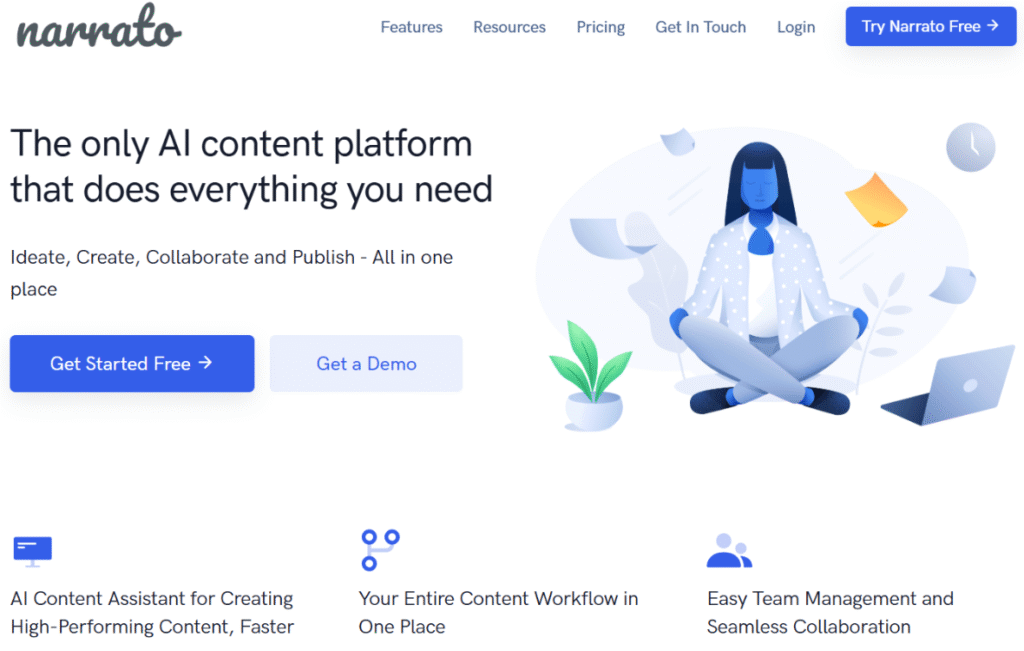
13. Narrato
You’re writing a 2,500-word white paper, coordinating input from a freelance designer, two SMEs, and a marketing manager. Narrato gives you a centralized workspace to pull all of that together without someone emailing a “final_final_revised_v4” Word doc. Content briefs, version control, image placeholders, it’s all in one spot. And with built-in AI writing help, you can prompt draft sections right where you’re editing.
This means your writer doesn’t need to bounce between ChatGPT and their document. It stays inside the flow. Bonus: You can assign, comment, and publish without exporting anything. Real teams actually finish their campaigns in here.
14. MarketMuse
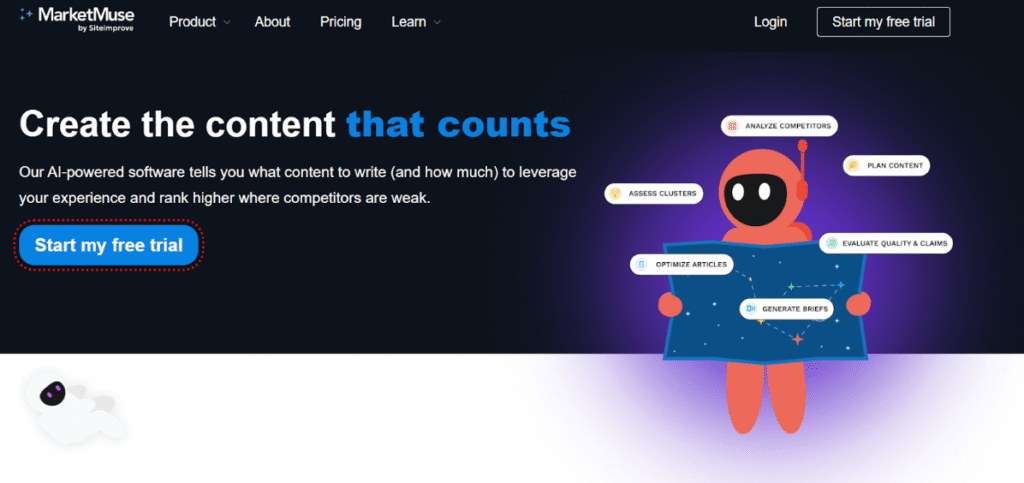
You’ve published three articles this quarter on “B2B onboarding” and none of them are ranking. You thought the keyword targeting was solid. MarketMuse shows you exactly why they aren’t hitting. It maps your topical authority, compares you to competitors, and tells you which concepts you’ve ignored. You don’t have to second-guess.
Just feed it your drafts, and it points to what’s missing. Like an editor who doesn’t sugarcoat things. Andy Crestodina once said, “Your content needs more than keywords, it needs completeness.” MarketMuse shows you what “complete” actually looks like in your niche, and how to write it.
15. StoryChief
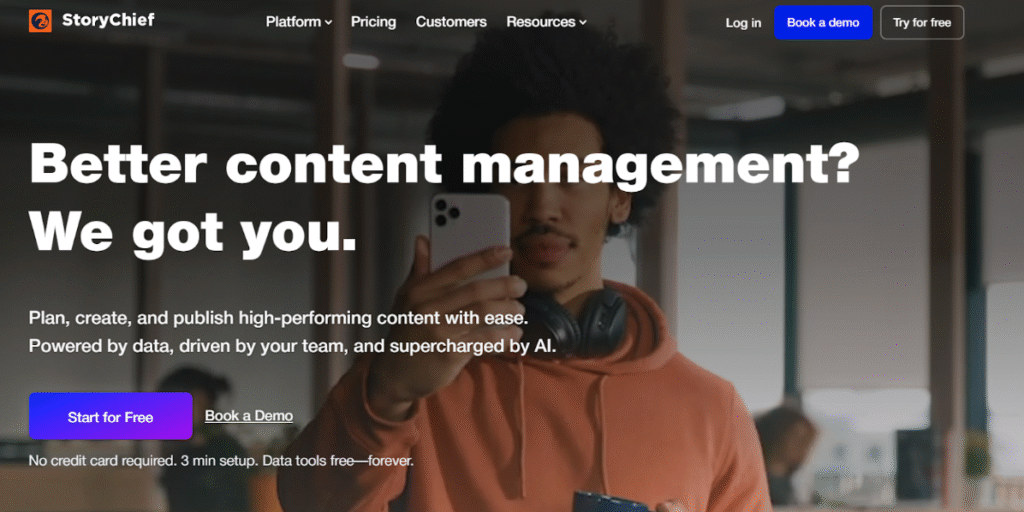
Your brand’s running a campaign on “SaaS pricing myths”, and it needs to go live on your blog, Medium, Facebook, LinkedIn, and Mailchimp. All this week. If you’re doing that manually, you’re wasting days. StoryChief lets you plan, draft, review, and publish to all those places from one calendar. One login. Edits made once, synced everywhere.
It’s built for teams who hate copying and pasting the same headline six times. And when your CMO wants changes 2 hours before launch? You make them once. Done. Yes, really. This is how you actually run multi-channel content without turning it into a circus.
Multichannel Automation
Pulling all your channels into one rhythm is where things get serious. Timing, voice, frequency, they all need to align across email, social, paid ads, even SMS. And if you try doing that with a dozen spreadsheets and tab-switching marathons, you’ll fall behind fast. Tools that pull it all together don’t just save time, they stop gaps, reduce errors, and keep campaigns from slipping through the cracks. Below are three that actually help, not hype.
16. ActiveCampaign
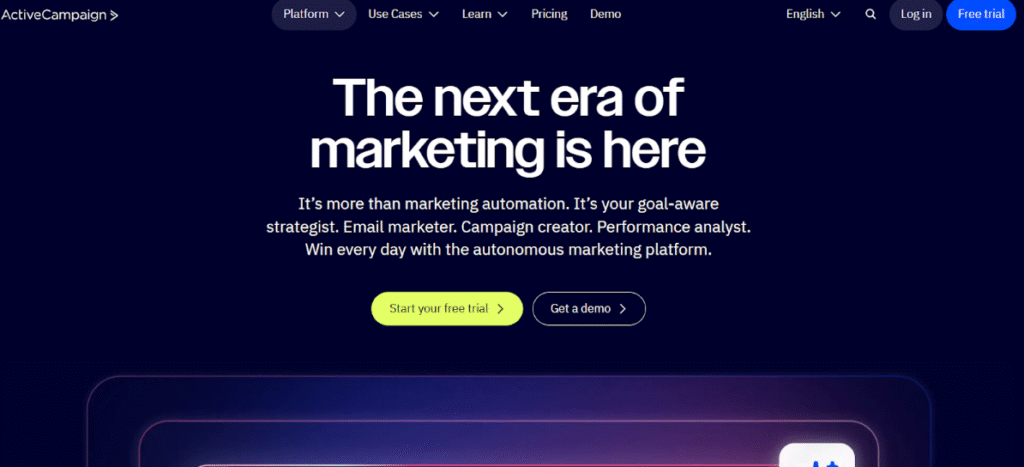
ActiveCampaign makes multichannel marketing feel like less of a juggling act. Say you’re running a spring promo across Facebook, email, and SMS. With this platform, you can set a single automation that watches what people do across every channel. So if someone clicks an Instagram ad but skips your email, you don’t waste another message, they get nudged by a well-timed SMS instead. Everything is tied to behavior.
It also logs what worked and what bombed, automatically. No digging, no guessing. “We use ActiveCampaign to understand the whole customer journey across multiple touchpoints,” said Jess L., CRM manager at a fast-growing DTC brand. She said it made her team smarter, fast.
17. Ortto
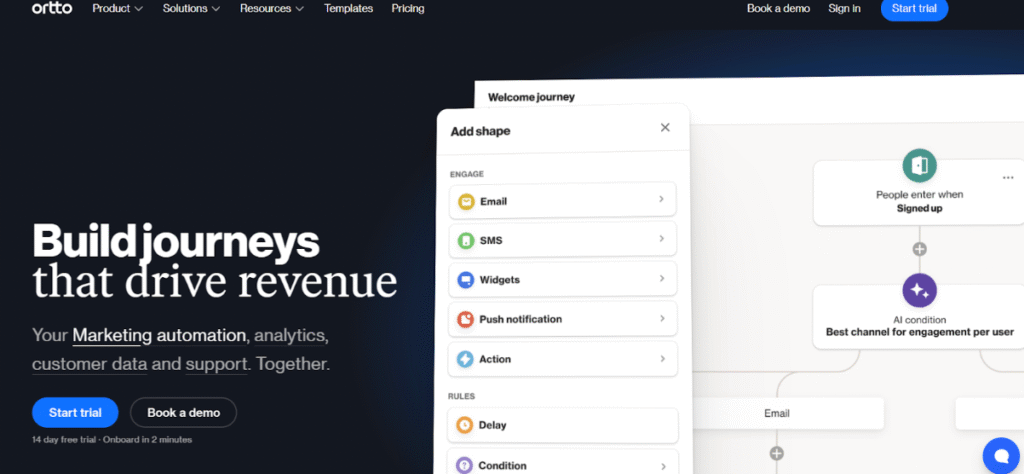
Ortto helps you stop treating channels like separate silos. A SaaS company I worked with used it to sync onboarding emails with in-app messages and retargeting ads, all within the same workflow. When a new user signed up but didn’t complete the setup in 24 hours, Ortto would send a helpful push notification. If they still didn’t finish after 48 hours, the system automatically scheduled a custom Facebook ad reminding them. No human touched that part. It’s what let their tiny growth team behave like they had 10 more people. You can see the logic and flow at a glance, it’s visual, not buried in menus.
18. Customer.io
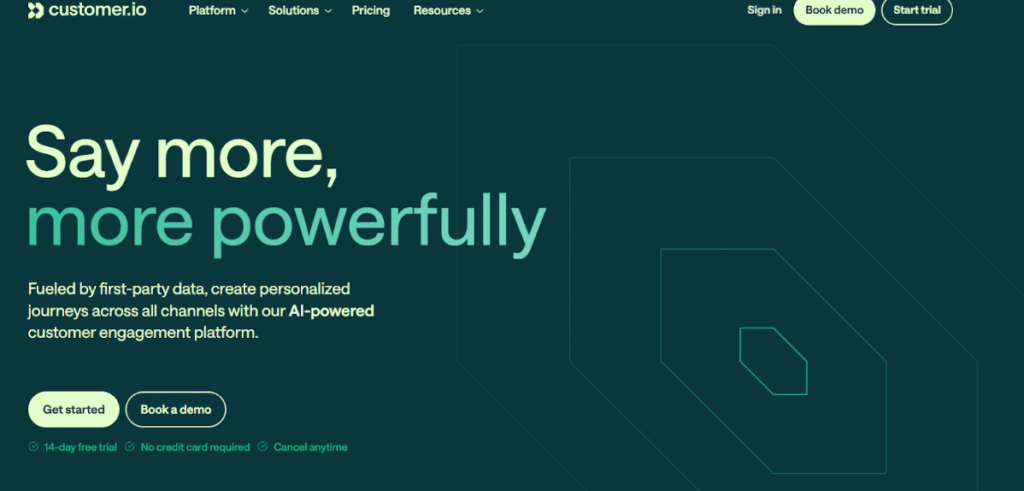
Customer.io gives you control over how, and when, your message hits, across multiple paths. If you’ve got users in different time zones, using different devices, behaving in different ways, it handles that complexity without making you write dozens of if-this-then-that rules.
One fintech startup ran a campaign where someone signing up for a debit card online got a sequence of touchpoints: welcome email, push notification once their physical card shipped, then an SMS when it arrived. All that, automated through a single campaign flow. You stay relevant without having to micromanage every step. It’s built for campaigns that feel personal without needing a huge team behind them.
Wrap Up
These 18 tools represent the shift from chaotic campaign management to focused execution. You don’t need all of them, just the ones that solve your biggest bottlenecks. If you’re drowning in manual tasks, start with automation platforms like ActiveCampaigne or Customer.io. If content creation slows you down, try Narrato or MarketMuse first.
The real win isn’t having more tools, it’s having fewer problems. Pick two or three from this list that address your team’s actual pain points. Test them for 30 days. But here’s the key question: are you solving problems or just adding more complexity? The best marketing campaigns in 2025 will come from teams that chose their tools carefully, not teams that collected every shiny new platform. Start simple. Scale smart. Let the results guide your next move.